Examining the Importance of Metal Foundries in Industrial Manufacturing
Metal casting facilities are critical in the domain of industrial production. They process raw materials into key components that support various sectors, from automotive to aerospace. Modern casting methods facilitate the production of durable parts that substantially boost performance and safety. However, as they incorporate new developments and face ecological pressures, the future of these foundries is in question. What lies ahead for this critical industry is worth contemplating.
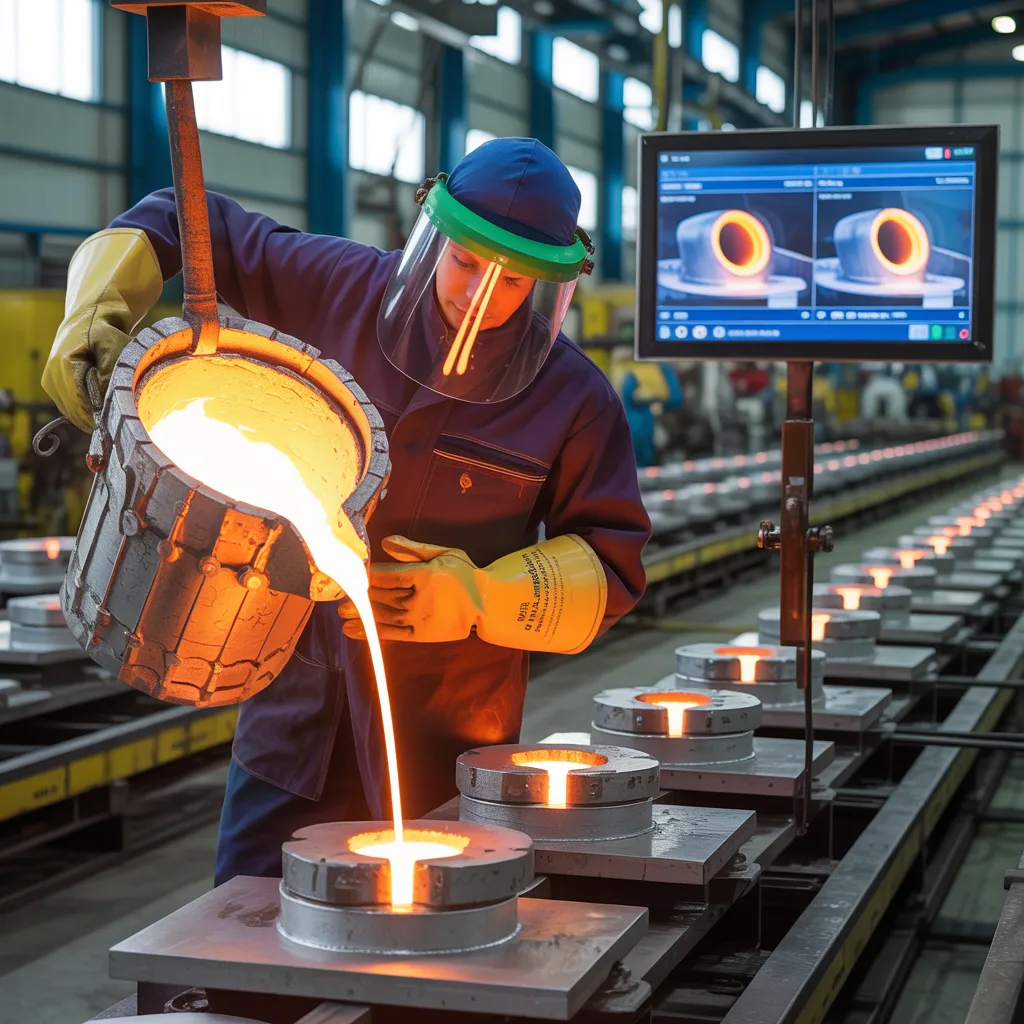
An Overview of the Metal Casting Process
The metal casting procedure converts molten metal into solid forms using a variety of methods. This process begins with melting the metal, commonly performed in a furnace, where it attains the necessary casting temperature. After melting, the metal is introduced into a mold, which defines the shape of the final product. Various methods such as sand casting, investment casting, and die casting are applied, with each providing distinct benefits in terms of precision and complexity.
The cooling process begins as the liquid metal hardens within the mold, enabling it to assume the required configuration. After solidification, the mold is removed, and the casting is frequently undergoes finishing processes like mechanical finishing or surface processing to improve its characteristics. Comprehending these essential stages is critical to optimizing production efficiency and maintaining the integrity of the completed castings, making the metal casting process a key component of contemporary industrial production.
The Historical Progression of Metalworking Foundries
As societies progressed, the development of metal foundries played a crucial role in industrial progress. At first, ancient societies utilized rudimentary smelting processes to obtain metals from mineral ores, with records of copper and bronze casting dating back to 4000 BCE. The introduction of iron casting approximately 1200 BCE signified a pivotal change, allowing for the production of stronger tools and weapons.
During the Middle Ages, foundries advanced significantly with the introduction of advanced furnaces and molds, facilitating enhanced production efficiency. The Renaissance era marked the introduction of principles of science into the art of metalworking, enhancing both quality and precision.
The Industrial Revolution catalyzed the widespread growth of metal foundries, as steam-driven technology and mechanization revolutionized manufacturing capacities. Throughout the late 1800s, foundries grew indispensable to numerous industrial sectors, delivering critical components for transportation, machinery, and infrastructure. This historical progression demonstrates the pivotal importance of metal foundries in forming the foundation of modern industry.
Uses of Metal Casting in Industrial Settings
Metal casting holds a fundamental place in numerous industries, notably affecting production processes. In the automotive industry, it is vital for producing parts that improve vehicle safety and performance. In the same way, uses within the aerospace sector and construction machinery manufacturing highlight the versatility and importance of metal casting in contemporary manufacturing.
Auto Parts Production
In automotive component manufacturing, metal casting holds a fundamental position in producing key parts that demand durability and accuracy. This method facilitates the development of elaborate designs, which are critical in components such as suspension parts, engine blocks, and transmission housings. By utilizing materials like aluminum and iron, manufacturers can achieve lightweight yet durable components that improve automotive performance and energy efficiency. Advanced casting techniques, including sand casting and die casting, allow for mass production while upholding strict dimensional accuracy. Furthermore, the ability to recycle metal scrap within foundries supports sustainability efforts in the automotive industry. As automobiles advance with emerging innovations, the requirement for advanced casting techniques remains on the rise, underscoring the significance of metal foundries in vehicle production.
Aerospace Sector Use Cases
The aviation sector heavily relies on metal casting to create vital components that necessitate outstanding durability and reduced weight. Components such as turbine blades, structural frames, and engine parts are commonly produced using advanced casting techniques. These processes enable detailed structures that optimize aerodynamic capability and function while decreasing mass. Metals like aluminum, titanium, and superalloys are frequently employed due to their advantageous strength-to-weight characteristics and resistance to extreme temperatures. Furthermore, accurate casting techniques ensure precise tolerances, which are critical for safety and efficiency in aerospace uses. As the field progresses, developments in casting techniques persistently enhance component performance, resulting in more economical and dependable aircraft configurations. This highlights the critical importance of metal casting facilities in driving aerospace innovation.
Heavy Machinery Components
Many elements within construction equipment are manufactured through metal casting, illustrating its vital role in the industry. Important parts such as engine blocks, transmission housings, and chassis components leverage the reliability and robustness that casting affords. The procedure allows for complex geometries, which are vital for the optimal operation of heavy machinery. In addition, metal casting materials such as ductile iron and steel offer the adequate strength to withstand harsh working conditions. The capacity to manufacture large quantities of parts with consistent quality further enhances the performance of construction equipment. As the appetite for effective and sturdy machinery expands, the metal foundry sector proves indispensable to propelling construction technologies, ensuring that equipment meets industry standards and operational requirements.
Advanced Technologies Reshaping Foundry Production
As the push for enhanced precision and efficiency in manufacturing expands, innovative technologies are transforming foundry production. Sophisticated automation, especially through robotic systems, is improving the precision and efficiency of metal casting operations. Such robotic solutions are capable of executing repetitive tasks with very few errors, lowering labor expenses while enhancing production consistency.
Additionally, the integration of 3D printing is revolutionizing mold creation, facilitating fast prototyping and advanced geometries that conventional methods fail to produce. This technology not only decreases production times but also reduces resource waste.
Data analytics and the Internet of Things (IoT) are further optimizing operations by enabling real-time monitoring of equipment and processes. These technologies facilitate predictive maintenance, reducing downtime and enhancing overall productivity.
Collectively, these innovations are reshaping the fabric of foundry manufacturing, propelling manufacturers toward enhanced operational efficiency and accuracy in a demanding industrial landscape.
Why Sustainability Matters in Metal Foundries
Whereas metal foundries have long concentrated on production efficiency and cost-effectiveness, the growing focus on sustainability is transforming industry priorities. As international recognition of environmental challenges increases, foundries are becoming aware of the necessity to lessen their ecological footprint. This transformation is fueled by regulatory requirements, consumer expectations for eco-friendly products, and the lasting economic advantages of sustainable operations.
Adopting energy-conscious technologies and repurposing materials not only conserves resources but also reduces operational costs. Moreover, implementing green practices strengthens the standing of metal foundries, bringing in partnerships and customers who emphasize environmental responsibility.
Sustainability in metal foundries also contributes to innovation; companies are exploring alternative materials and methods that lessen environmental impact. Ultimately, embracing sustainability is becoming essential for foundries to remain competitive in a market that increasingly values environmental stewardship alongside traditional performance metrics.
What Obstacles Are Metal Foundries Confronting Today?
Metal foundries are currently grappling with a number of considerable obstacles that impact their operations. Escalating energy expenses and a persistent shortage of skilled labor complicate production processes, while rigorous environmental standards create further compliance obligations. Resolving these concerns is vital for the long-term viability and competitiveness of the industry.
Rising Energy Costs
Increasing energy prices create a considerable hurdle for metal foundries, affecting their operational performance and profit margins. As energy costs continue to shift, foundries experience growing expenditures related to melting, casting, and finishing procedures. These increasing costs may contribute to reduced profit margins, forcing some foundries to reconsider their pricing strategies or operational practices. Moreover, the requirement for energy-consuming equipment and technology intensifies the financial pressure. Foundries may find it necessary to implement energy-conscious technologies to offset these expenditures; however, such investments require substantial capital upfront. Furthermore, competitive dynamics grow more challenging as foundries strive to preserve their market standing while navigating these financial difficulties. Consequently, managing energy costs remains a critical priority for the sustainability of metal foundries.
Skilled Labor Shortage
As the demand for complex metal components increases, foundries are struggling with a significant skilled labor shortage that threatens their operational capabilities. Numerous veteran employees are reaching retirement age, and there are insufficient new entrants to fill these roles. This shortage results in increased labor costs and delays in production schedules. Foundries frequently struggle to attract younger talent, as the industry is seen as less attractive compared to high-tech sectors. Additionally, the technical knowledge demanded by metal casting and machining take time to develop, exacerbating the issue. Consequently, foundries might be unable to meet market demands, affecting their market position and earnings. Addressing this shortage is essential for maintaining expansion in the metal foundry industry.
Environmental Regulatory Compliance
Compliance with environmental regulations poses significant challenges for foundries in today's industrial landscape. These facilities are increasingly pressured to minimize emissions and waste while adopting cleaner technologies. The complexity of regulations, which vary by region and often change, creates uncertainty and requires constant adaptation. Budget restrictions compound compliance challenges, as the costs associated with new equipment or processes can be significant. In addition, foundries encounter the difficulty of ensuring their staff members are properly educated in environmental standards. Failure to comply can result in substantial penalties and reputational harm, highlighting the importance related information of continuous monitoring and management systems. Maintaining a careful balance between operational performance and regulatory conformity remains an essential challenge for the long-term sustainability of metal foundries.
Emerging Advancements in Metal Foundry Technologies
The evolution of metal foundry technologies holds remarkable breakthroughs that could transform industrial manufacturing. Breakthroughs such as additive manufacturing are becoming increasingly prominent, enabling the development of intricate geometries and minimizing material waste. Moreover, the adoption of artificial intelligence and machine learning strengthens process optimization, facilitating real-time monitoring and proactive maintenance.
Environmental responsibility is also a central focus; innovative recycling methods and sustainable materials are being created to reduce environmental harm. The use of 3D printing in foundries could streamline prototyping and reduce lead times, making production more agile.
Moreover, advancements in robotic systems and automation seek to enhance operational safety and productivity within metal foundry operations. Such technologies not only are expected to increase operational productivity but also to establish safer conditions for workers. As these advancements unfold, they will probably lead to a highly sustainable, productive, and responsive metal casting sector, fundamentally reshaping manufacturing processes on a worldwide scale.
Frequently Asked Questions
What Kinds of Metals Are Typically Used in Foundries?
Commonly used metals in foundries include iron, aluminum, copper, and brass. Each of these metals is suited to particular uses, with iron being favored for strength, aluminum for structures requiring minimal weight, and copper for electrical conductivity and corrosion resistance.
How Do Foundries copyright Quality Control During Production?
Foundries maintain production quality control through thorough examination of raw materials, ongoing oversight of the melting and casting processes, and implementing strict adherence to industry standards, resulting in high-quality metal products that meet specifications.
What Safety Measures Are Implemented in Metal Foundries?
Metal casting facilities employ numerous protective protocols, including safety equipment for personnel, air circulation systems to reduce exposure to harmful fumes, regular equipment maintenance, safety training programs, and emergency response protocols to reduce hazards related to handling molten metal.
How Do Foundries Handle Waste and Byproducts?
Foundries manage waste materials and byproducts via recycling, responsible disposal, and treatment processes. They implement approaches to reduce their impact on the environment, ensuring compliance with regulations while advancing sustainable practices throughout their facilities and neighboring communities.
What Career Opportunities Exist in the Metal Foundry Industry?
Career opportunities in the metal foundry industry include roles such as metal craftsmen, quality assurance specialists, engineers, and foundry managers. Furthermore, positions in R&D, equipment maintenance, and environmental compliance are also offered, guaranteeing a wide range of opportunities.